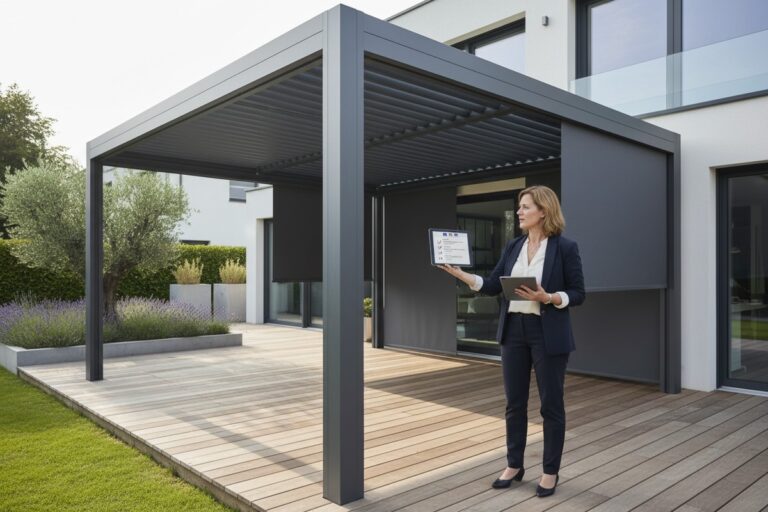
On our production floor, I see buyers trust glossy photos, then face cracked joints, delays, and expensive callbacks when welds or connectors fail outdoors.
To evaluate an aluminum pergola supplier, check weld bead consistency, alloy and connector materials, joint precision, and third-party load reports. Ask for close-up photos, samples, inspection records, and warranty terms, because strong frames depend on both sound welding and well-engineered connections.
The safest purchase usually starts with a close look at details most catalogs barely show.
How can I identify high-quality weld beads that ensure my aluminum pergola's long-term structural integrity?
In our welding bay, I have seen small prep mistakes hide under coating, then grow into cracks after wind, heat, and years of movement AWS D1.2 1.
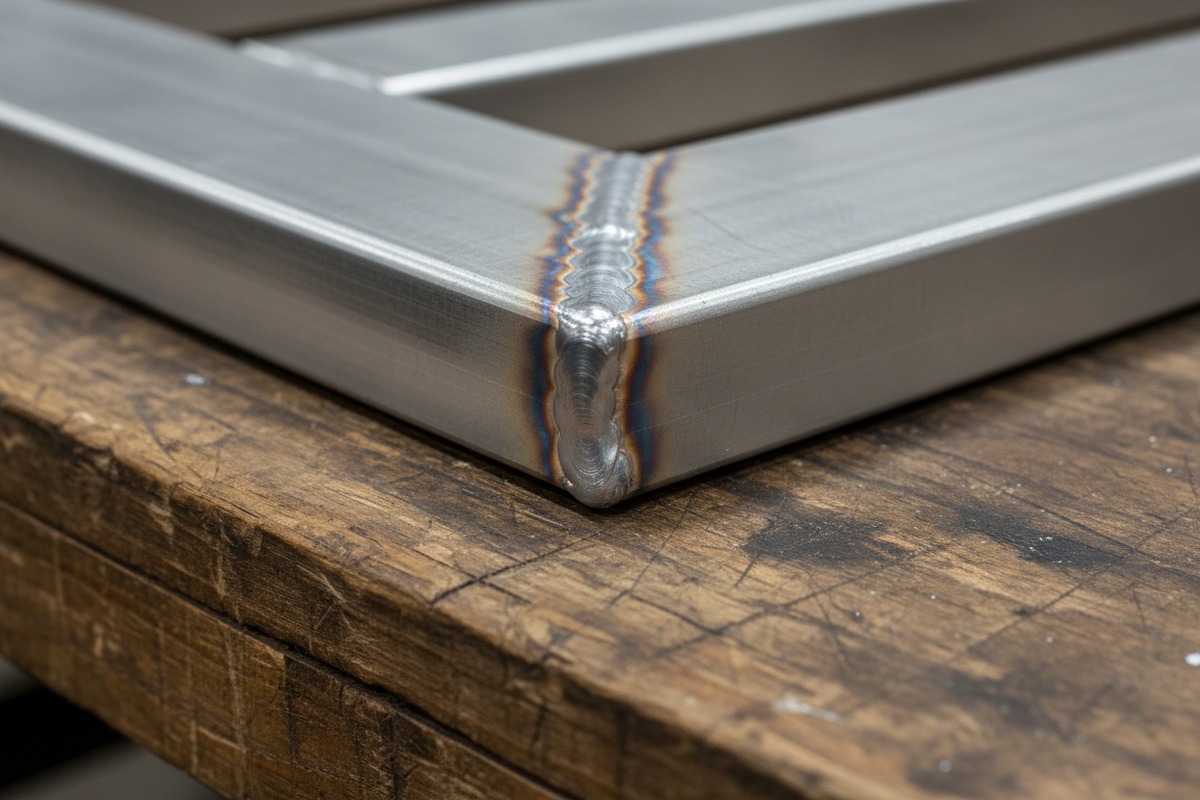
High-quality aluminum weld beads look uniform, continuous, and properly sized, with no cracks, porosity, undercut, or abrupt starts and stops. Ask for close-up photos, sample cuts, and inspection records, because bead appearance often reveals fit-up quality, penetration control, and the supplier's real process discipline.
A strong aluminum pergola starts with the right welding process, but process names alone do not tell the whole story. Most structural aluminum pergolas use MIG welding 2 for frame work because it is efficient and repeatable on longer joints. TIG welding 3 often appears on visible corners or parts that need a cleaner finish. Neither method is automatically better in every case. What matters is whether the supplier can show stable process control, skilled fit-up, and consistent inspection. In our own export work, the best results usually come from good joint preparation first. Aluminum must be clean before welding. Oxide, oil, and dirt can turn into porosity or weak fusion.
Start with the bead shape
A good weld bead should look calm and deliberate. The width should stay consistent. The height should not rise and drop sharply from one section to another. The bead should blend into the base metal 4 without deep grooves along the edges. Those grooves are undercut, and they reduce strength at a stressed area. Small color change after welding is normal, but random soot, pits, and pinholes are not.
| Visual area | Good sign | Red flag |
|---|---|---|
| Bead line | Even width and smooth travel | Wavy shape or frequent stops |
| Toe area | Smooth transition into base metal | Sharp groove or undercut |
| Surface | Dense and clean | Pinholes, porosity, or surface cracks |
| Joint gap | Tight and controlled fit-up | Large gap filled with excess weld |
| Finish | Light grinding only where needed | Heavy filler or coating hiding defects |
Ask for raw photos, not only coated photos
Powder coating 5 can make a weak weld look neat from two meters away. That is why I suggest asking for close-up images before coating, and if possible, a real sample corner. A supplier who is confident in weld quality usually does not mind sharing raw joint photos. Ask for photos of post-to-beam joints, base plate welds, gutter corners, and louver support brackets. Those are high-stress areas.
Know what defects matter most
Not every rough-looking weld will fail, and not every pretty weld is strong. Still, some defects deserve instant caution. Visible cracks are a hard stop. Porosity in structural joints is a warning. Cold lap, where metal seems to sit on top instead of fusing into the base, is another warning. So are sudden start-stop marks in the middle of a long structural seam. If the supplier mentions AWS D1.2 6 or a similar aluminum welding code, that is useful because it shows they understand structural requirements, joint prep, and inspection discipline.
Use inspection evidence, not sales language
A serious supplier should be able to explain how welds are checked. Visual inspection is the minimum. For critical joints, dye penetrant testing 7 can reveal fine cracks that eyes may miss. If you are buying for a resort, contractor, or distributor channel, ask whether the factory keeps welding procedure records, inspection checklists, or traceable batch files. That kind of paperwork tells you more than a polished brochure.
What should I look for in connector materials to prevent corrosion and mechanical failure in my outdoor projects?
When our team tests coastal projects, I worry less about color and more about hidden connectors, because corrosion usually starts where buyers never look.
Reliable pergola connectors should use compatible structural aluminum or high-grade stainless steel, protective coatings, and isolating details that limit galvanic corrosion. Check fastener grade, insert material, drainage, and replaceability, because small connector failures often loosen the entire frame long before the main profiles wear out.
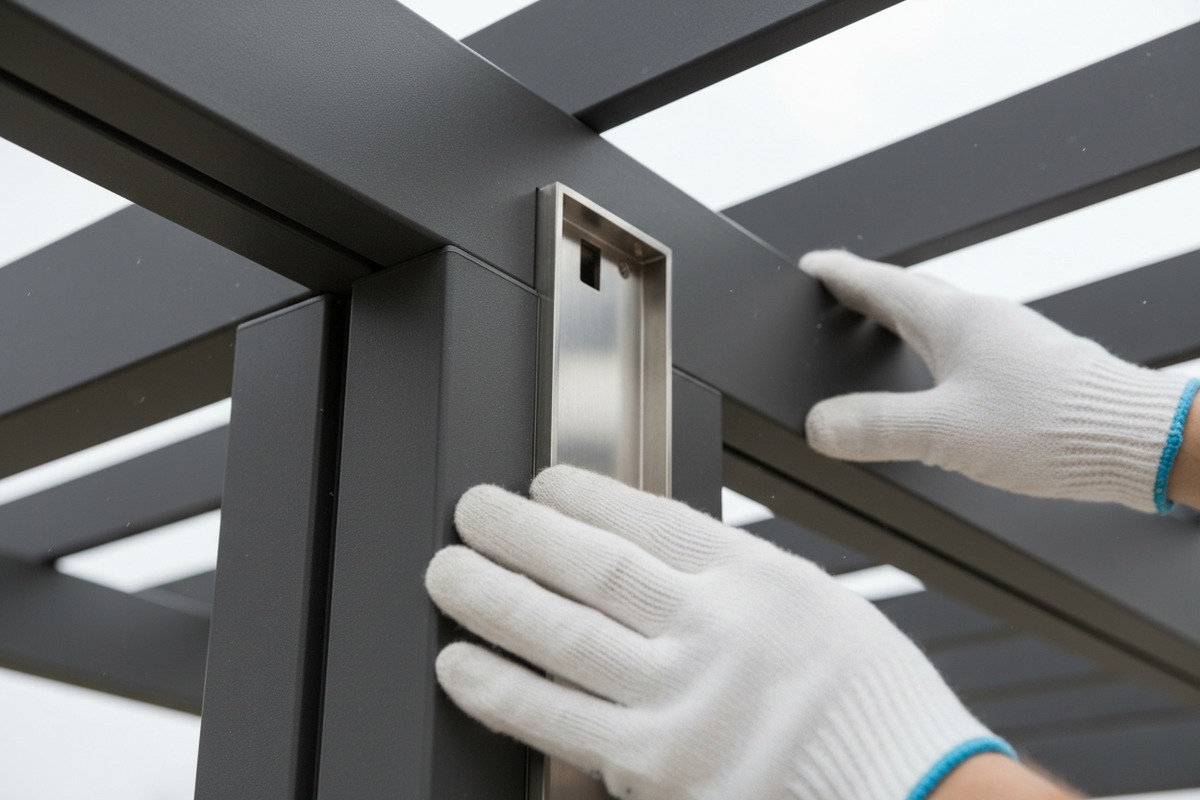
Many buyers focus on beams and posts but forget that connectors carry load from one part of the frame to another. A pergola can use strong aluminum extrusions 8 and still fail early if its brackets, inserts, screws, or base plates are weak. In our project reviews, the best connector systems do three things well. They resist corrosion, they stay tight under movement, and they allow predictable installation without forcing parts together.
Choose materials that match the environment
For aluminum pergolas, connector material should be selected with both strength and compatibility in mind. Structural aluminum inserts, often 6061 or similar, work well inside aluminum extrusions when the design gives enough bearing area and screw engagement. Stainless steel fasteners are common, but grade matters. In many inland projects, 304 stainless may be acceptable. In coastal or high-salt locations, 316 stainless is usually safer. Plain carbon steel 9 can work only if it is properly protected and isolated, but it is often a weak point in outdoor systems if the coating is thin or damaged.
| Connector material | Strength role | Corrosion risk | Best use |
|---|---|---|---|
| Structural aluminum insert | Good compatibility with frame | Low when well designed | Internal sleeves, corner blocks, splice parts |
| 304 stainless steel | Good fastener strength | Moderate in coastal salt | Inland bolts, screws, anchors |
| 316 stainless steel | Good fastener strength | Better in marine air | Coastal bolts, exposed hardware |
| Coated carbon steel | Can be strong | Higher if coating breaks | Hidden parts only with strong protection |
| Plastic isolator or washer | Not structural alone | Helps block galvanic contact | Separation between dissimilar metals |
Watch for galvanic corrosion and water traps
Corrosion is not only about metal type. It is also about contact, moisture, and drainage. When stainless steel, carbon steel, and aluminum meet in wet conditions, galvanic corrosion 10 can start. Good suppliers reduce that risk with sleeves, washers, coatings, sealants, and smart drainage paths. I also look for connector pockets that do not trap water. A hidden cavity that stays wet can damage both fasteners and powder coat from the inside.
Good connectors do more than hold still
A pergola lives outdoors. It expands in heat, contracts in cold, and vibrates in wind. So the best connector is not always the heaviest one. It is the one designed for load path, movement, and service life. Hybrid systems can be excellent. A welded main node with bolted service parts may be better than an all-welded assembly that is hard to repair. This matters even more in motorized and louvered pergolas, where moving blades, gutters, lighting, and hidden wiring all depend on clean alignment.
Ask practical questions before you buy
Ask the supplier to show exploded joint drawings. Ask what alloy the inserts use. Ask what fastener grade is standard. Ask whether individual connectors can be replaced without cutting the frame. Ask how the system performs in humid or marine climates. Good answers should be specific. Vague terms like "rust proof" or "heavy duty" are not enough.
How do I test the precision of a supplier's joints to avoid costly installation delays and missing component issues?
Before any shipment leaves our warehouse, I worry about one wrong hole position or one missing bolt, because installers pay for both mistakes.
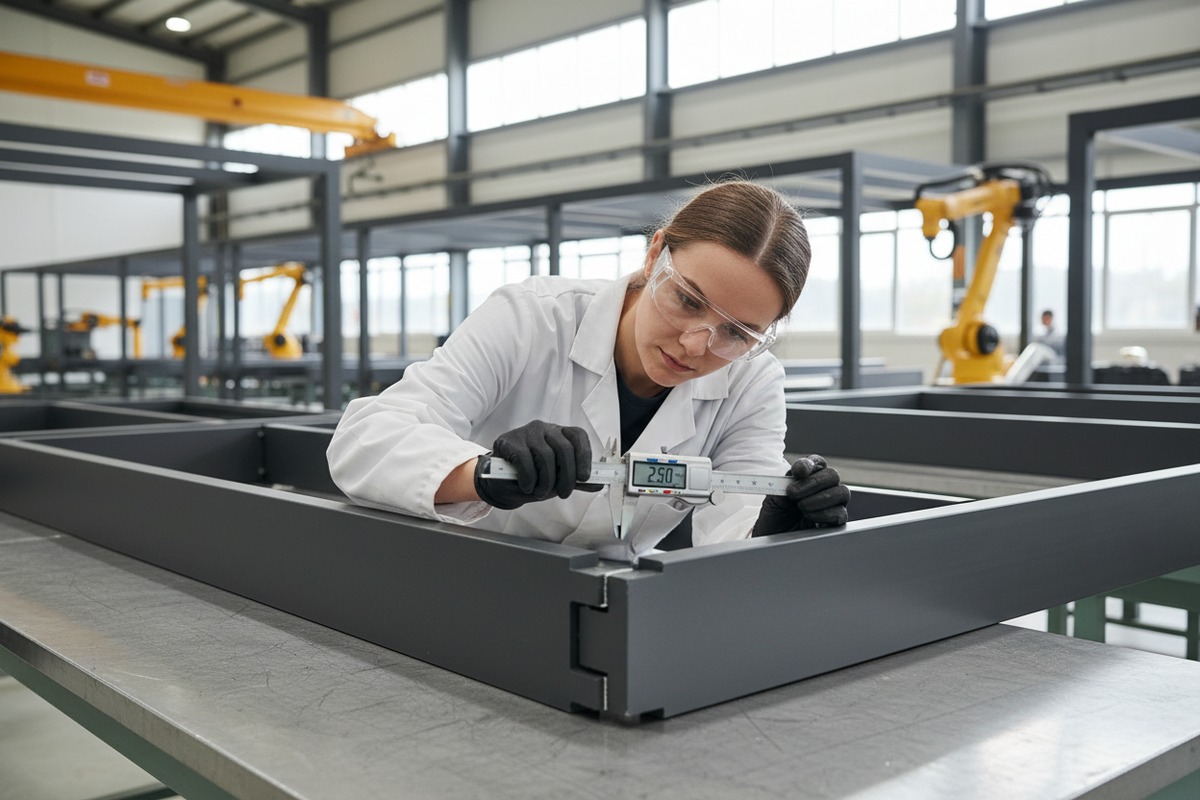
Test joint precision by checking hole alignment, cut length, squareness, slot tolerance, and hardware counts against drawings and a trial assembly. Good suppliers can show packing lists, pre-install checks, and sample fit videos that prove parts arrive complete, labeled, and ready to install without forced adjustment.
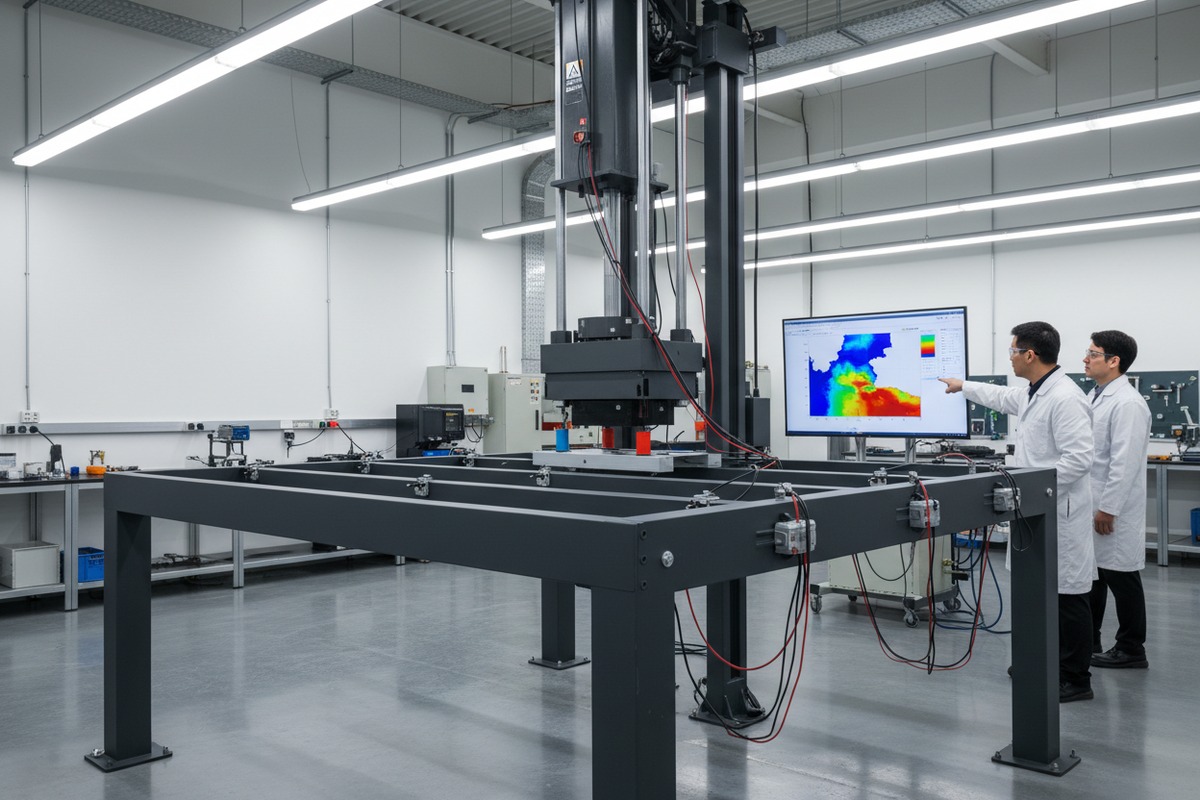
Joint precision is where a promising pergola can become a costly site problem. I have seen projects delayed not by major structural failure, but by a few millimeters of error, one missing bracket, or a bag of fasteners packed into the wrong carton. For importers, contractors, and hotel projects, those small issues become expensive fast because labor crews stop, schedules slide, and replacement shipments take days or weeks.
Look beyond the drawing
A nice CAD drawing does not prove production accuracy. Ask the supplier how they control cut length, drilling position, and joint fit on the actual shop floor. Better factories usually have jigs, drilling templates, angle checks, and final assembly verification. If the answer is only "our workers are experienced," that is too weak. Skill matters, but repeatable systems matter more.
| Precision item | What to check | Why it matters on site |
|---|---|---|
| Cut length | Compare sample part to drawing | Wrong beam length affects full frame geometry |
| Hole position | Measure center-to-center spacing | Misaligned holes slow installation |
| Squareness | Check corner angle and diagonal difference | Poor squareness twists louvers and gutters |
| Slot tolerance | Confirm bolts slide in without force | Tight slots create rework and scratched coating |
| Part labeling | Match codes to manual and packing list | Wrong labels waste installer time |
| Hardware count | Verify each bag against BOM | Missing screws can stop a full team |
Trial assembly tells the truth
The fastest way to judge joint precision is a partial or full trial assembly. Ask for a short video of posts, beams, and key brackets being joined in the factory. Watch how easily the holes line up. Watch whether workers need to pry, hammer, or enlarge holes. Good parts should fit cleanly with normal hand pressure and standard tools. This is especially important for louvered pergolas because misalignment can affect blade rotation, motor operation, gutter slope, and water drainage.
Packaging accuracy is part of joint precision
Precision does not end when machining is complete. Export packaging is part of the system. In our experience shipping to Europe, a supplier needs clear carton codes, inner bag labels, spare hardware policy, and a packing checklist signed before loading. Missing components are not a separate problem from joint quality. They are part of the same process discipline. I suggest asking for the bill of materials, the installation manual, and a photo of the packed hardware kits. Serious suppliers often add a small spare ratio for standard fasteners because they know on-site losses happen.
Useful questions for buyers
Ask whether the factory performs dry-fit checks. Ask for photos of measuring tools in use. Ask whether corner sets, brackets, and hidden inserts are packed by module or by whole order. Ask how non-standard sizes are verified before shipment. These questions are simple, but the answers reveal whether the supplier manages precision like a real production system or just hopes installation crews will solve errors later.
How do I verify the wind and snow load capacity of my pergola's frame through a supplier's testing reports?
When engineers review a pergola drawing in our office, I care most about the load report, because brochures cannot hold back wind or snow.
To verify frame capacity, ask for third-party wind and snow load reports that match the exact span, post size, louver configuration, and anchoring method you plan to buy. Trust reports that cite test standards, pass criteria, deflection limits, and engineering sign-off, not vague marketing numbers alone.
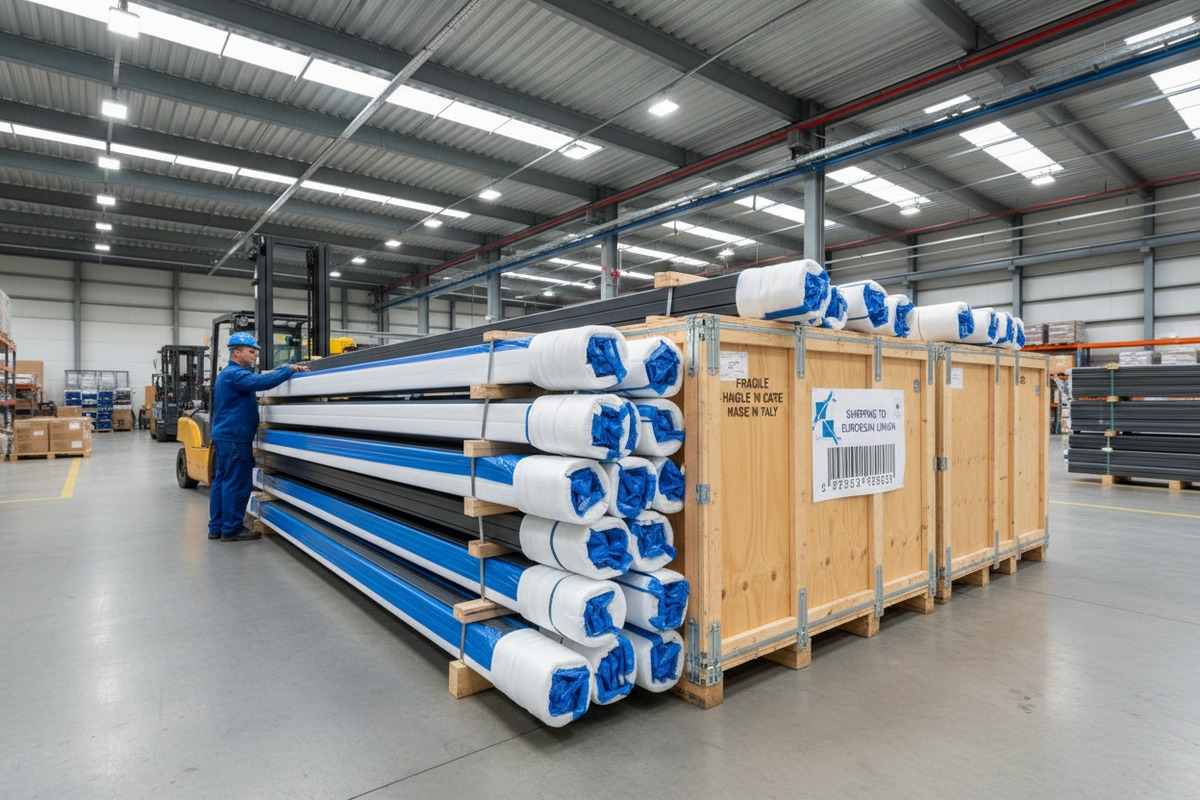
Load capacity claims are easy to print and hard to verify. That is why buyers should treat every wind or snow number as model-specific until proven otherwise. A pergola rated for one span, one post size, and one louver position may not achieve the same rating in a wider layout or a corner installation with different anchors. In our quoting work, we always connect the load number back to the exact frame configuration. Without that link, the number is close to meaningless.
Match the report to the actual system
The report should identify the tested or calculated model clearly. Check beam size, post size, wall thickness, roof type, span, bay width, and whether the system is freestanding or attached. If you are buying a motorized louvered pergola, ask whether the report covers both open and closed blade conditions. Wind uplift, lateral load, and snow accumulation can change with roof position and drainage behavior.
| Report item | Why it matters | Buyer question |
|---|---|---|
| Model identification | Confirms the report fits your product | Does this report match my exact beam and post sizes? |
| Span and bay dimensions | Load changes with geometry | What is the maximum tested width and projection? |
| Load type | Wind, snow, uplift, and deflection are different checks | Which loads were tested and which were calculated? |
| Anchoring details | Frame strength depends on base fixing | What anchors and substrate were assumed? |
| Deflection limits | Stiffness matters, not only failure load | How much did the beam bend under design load? |
| Standard or method | Shows whether the test had a real basis | Which code, lab method, or engineering standard was used? |
Testing report versus engineering calculation
A good supplier may provide either physical test data, structural calculation, or both. Physical testing is valuable because it shows how the full assembly behaves, including joints and connectors. Engineering calculation is valuable because it can adapt to many sizes and layouts. The best case is when both are linked. For example, a lab test may validate the joint system, while an engineer then calculates different project dimensions based on that system. What you want to avoid is a loose statement like "wind resistant up to 120 km/h" without method, geometry, or anchor condition.
Read the fine print
A high number alone does not guarantee a better pergola. One system may advertise 60 psf snow load, but only for a short span with extra posts and heavy anchors. Another may advertise less, yet perform better for your real layout. Also check whether the report mentions allowable load or ultimate load. Those are not the same. Ask whether safety factors were used and whether local code conditions such as exposure, terrain, coastal wind, or snow drift were considered.
Use load reports together with material and joint data
Load capacity is the result of the whole structure. Alloy grade, wall thickness, weld quality, connector design, and anchors all work together. Good suppliers usually specify 6XXX-series aluminum for extrusions and can explain why certain members use thicker walls. For many load-bearing pergola members, an actual measured wall thickness around 3.0 millimeters or more can be a useful benchmark, but geometry and joint design still decide the real performance. This is why a serious report should connect the number to the frame details, not just the sales page.
Conclusion
Check welds, connectors, fit, and load reports together. A pergola is only as reliable as its weakest joint and the proof behind it.
Footnotes
1. Links to the American Welding Society for structural welding standards. ↩︎
2. Provides background on the MIG welding process for structural frames. ↩︎
3. Explains the TIG welding process used for cleaner finishes. ↩︎
4. Defines base metal in the context of welding and fabrication. ↩︎
5. Details the powder coating finishing process used on aluminum. ↩︎
6. Details the American Welding Society's structural welding code for aluminum. ↩︎
7. Explains this non-destructive testing method for detecting fine cracks. ↩︎
8. Provides context on the aluminum extrusion manufacturing process. ↩︎
9. Details the properties and corrosion risks of carbon steel. ↩︎
10. Explains the electrochemical process of galvanic corrosion between dissimilar metals. ↩︎