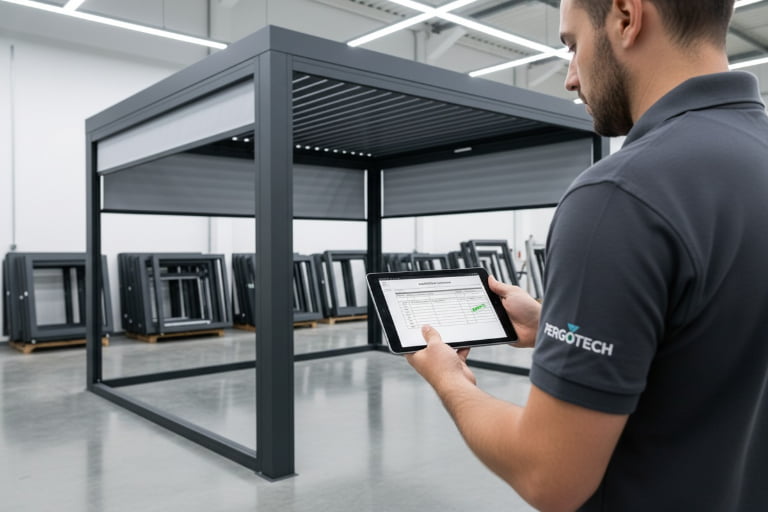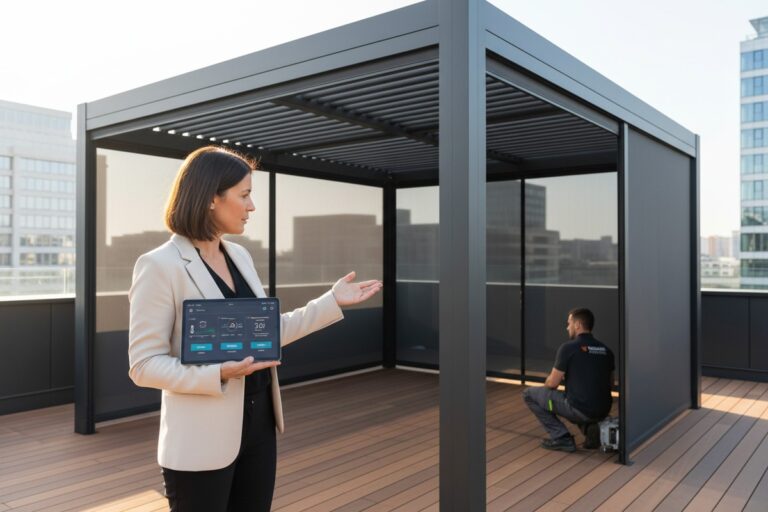
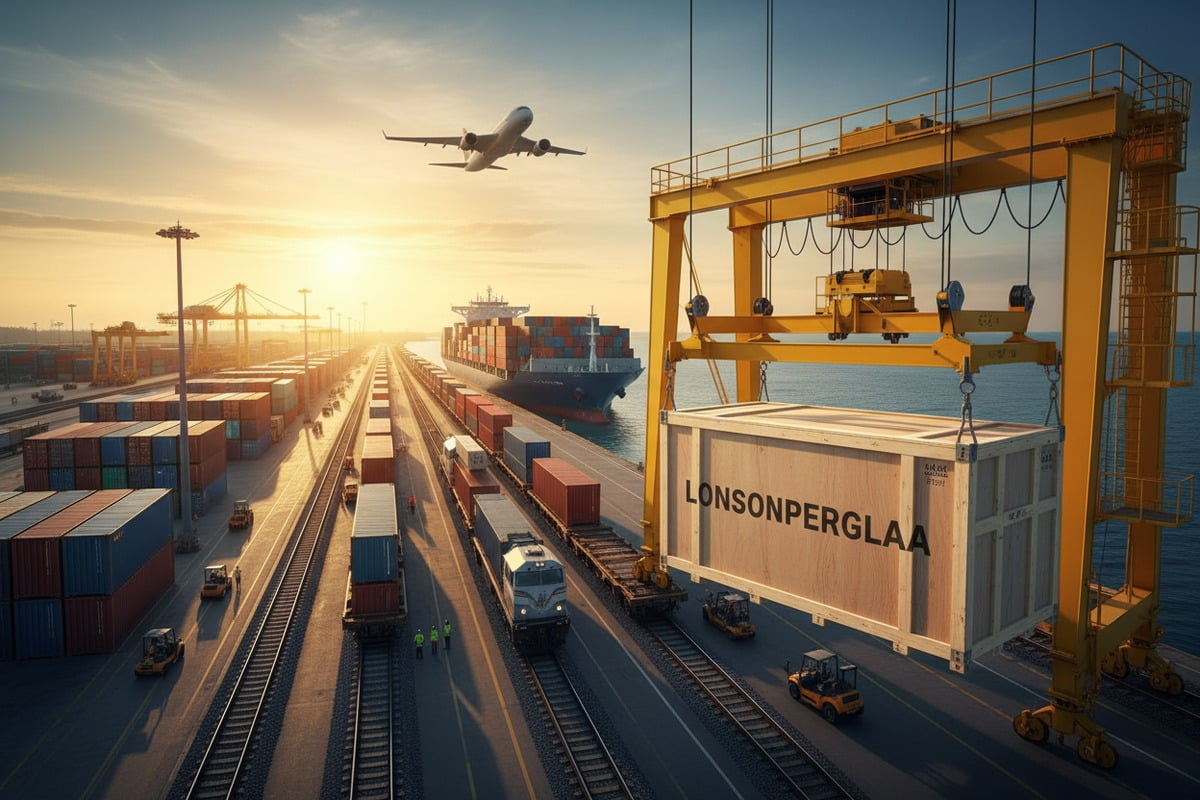
Every year, our production lines push out over 80,000 pergola sets, and the number one question buyers ask after placing an order isn't about color or size — it's about shipping. How do I get these oversized aluminum frames from our Hainan factory to a job site in Rome or Rotterdam without delays, damage, or budget blowouts? The problem is real. Pick the wrong shipping method, and you either burn money on air freight 1 or lose a whole project season waiting at port.
Choose sea freight (FCL) for bulk orders over 5 units to save 60–70% versus air. Use China-Europe rail for mid-volume shipments needing faster delivery. Reserve air freight only for samples or urgent luxury components under 500 kg. Your final choice depends on order volume, destination, budget, and deadline.
Below, we break down each shipping mode with real cost comparisons, packaging strategies, and insider tips from 25 years of exporting aluminum pergolas 2 worldwide. Let's get into the details so you can make the smartest logistics decision for your next order.
How do I choose the most cost-effective shipping method for my bulk aluminum pergola imports?
When we quote a 40-foot container of louvered pergolas 3 headed to Milan, the freight cost can make or break a buyer's margin. Many purchasing managers assume sea is always cheapest, but they forget to factor in storage fees, last-mile trucking, and tariff implications. The real cost picture is more complex than a single per-kilogram rate.
For bulk aluminum pergola imports exceeding 5 units, full-container sea freight (FCL) is the most cost-effective method, typically costing $0.50–$1.50 per kg. Rail offers a middle ground for European buyers at $1–$3 per kg, while air freight at $5–$20 per kg should be reserved only for urgent, small shipments.
Start With Your Shipment Profile
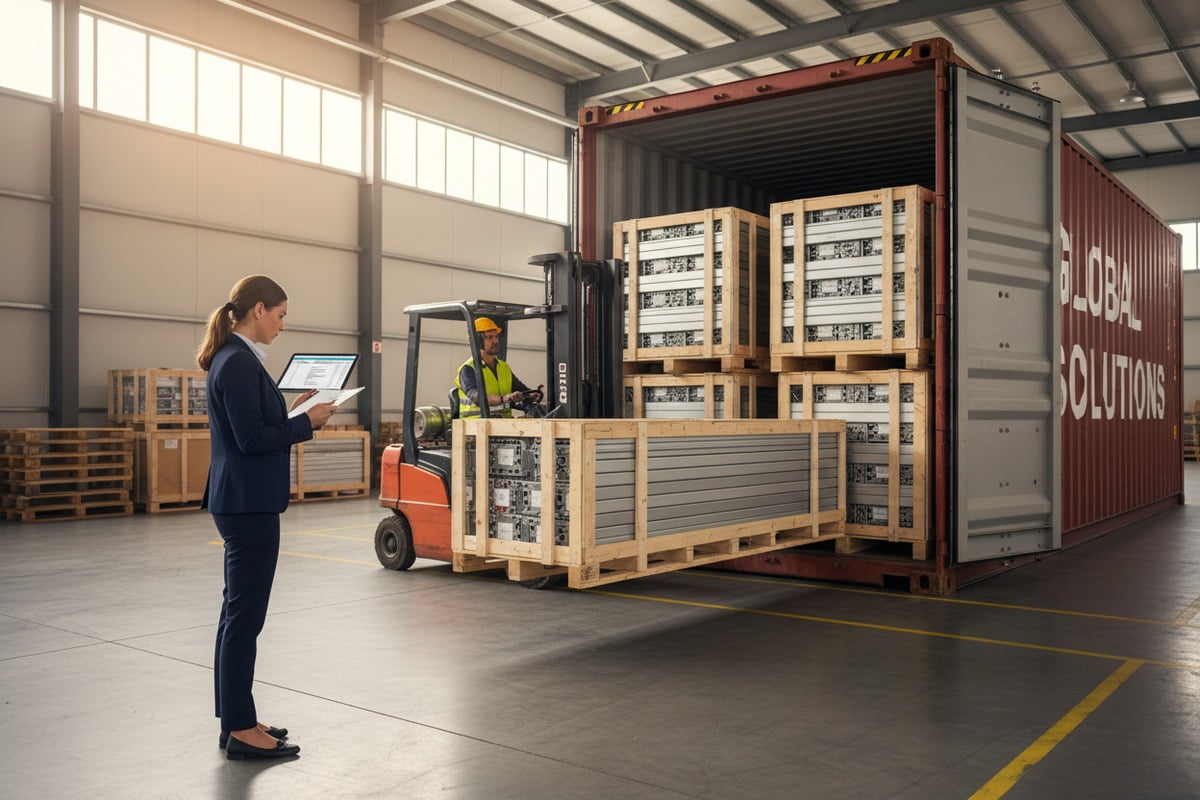
Before comparing freight quotes, you need to know four things: total weight, total volume, destination, and deadline. A standard 3-meter aluminum pergola with louvered roof, posts, and hardware weighs roughly 120–180 kg when flat-packed. Our engineering team designs every unit for modular disassembly, which means components nest tightly inside crates to minimize wasted container space.
A 20-foot container holds roughly 8–12 flat-packed pergola sets depending on size. A 40-foot container doubles that capacity. If your order fills at least 70% of a container, FCL almost always beats LCL (less-than-container-load) 4 because you avoid cargo mixing and reduce damage risk.
Shipping Mode Cost Breakdown
| Shipping Mode | Cost per kg | Transit to Europe | Transit to USA | Best Order Size | Risk Level |
|---|---|---|---|---|---|
| Sea (FCL) | $0.50–$1.50 | 25–35 days | 30–45 days | 8+ units | Low cost, slow |
| Sea (LCL) | $1.00–$2.50 | 25–40 days | 30–50 days | 1–5 units | Medium (mixing risk) |
| Rail | $1.00–$3.00 | 15–25 days | N/A | 5–15 units to EU | Medium |
| Air | $5.00–$20.00 | 3–7 days | 3–10 days | Samples / <500 kg | High cost |
Don't Forget Hidden Costs
The freight rate is just one line item. You also need to budget for:
- Inland trucking from our factory to the departure port or rail terminal.
- Customs clearance fees at both origin and destination.
- Import duties — the US currently applies a 25% tariff on aluminum products under Section 301 5, which dramatically changes the landed cost math for American buyers.
- Port handling and demurrage if your container sits uncollected.
- Insurance — typically 0.3–0.5% of cargo value but essential for overseas shipments.
In our experience, buyers who focus only on freight rates end up surprised by an extra 15–25% in ancillary charges. We always recommend requesting a DDP (Delivered Duty Paid) quote so you see the true total cost upfront.
When LCL Makes Sense
If you're a smaller distributor testing a new market with 2–3 pergola units, LCL sea freight keeps your upfront investment low. But be warned: your crates share container space with other cargo. We've seen cases where improperly packed neighboring goods shifted during transit and dented aluminum frames. That's why we always reinforce our LCL crates with extra corner bracing and foam padding.
The Volume Tipping Point
Here's a rule of thumb from our logistics team: once your order hits 5 or more standard pergola sets, switch to FCL. The per-unit shipping cost drops 30–40%, and you gain full control over container loading. Our warehouse team photographs every loading step, so you have documentation if any insurance claim is needed.
How can I ensure my fragile aluminum profiles aren't damaged during long-distance sea freight?
This is the pain point that keeps our quality team up at night. Aluminum profiles look sturdy, but a 35-day ocean voyage with container stacking, vibration, and humidity can turn pristine powder-coated frames into scratched, dented liabilities. We learned this the hard way early on, and it drove us to completely redesign our packaging process.
Protect aluminum pergola profiles during sea freight by using multi-layer packaging: PE film wrapping against scratches, high-density foam corner guards, custom plywood crating for frames over 3 meters, and steel banding to prevent shifting. Always request container loading photos and purchase marine cargo insurance covering 110% of goods value.
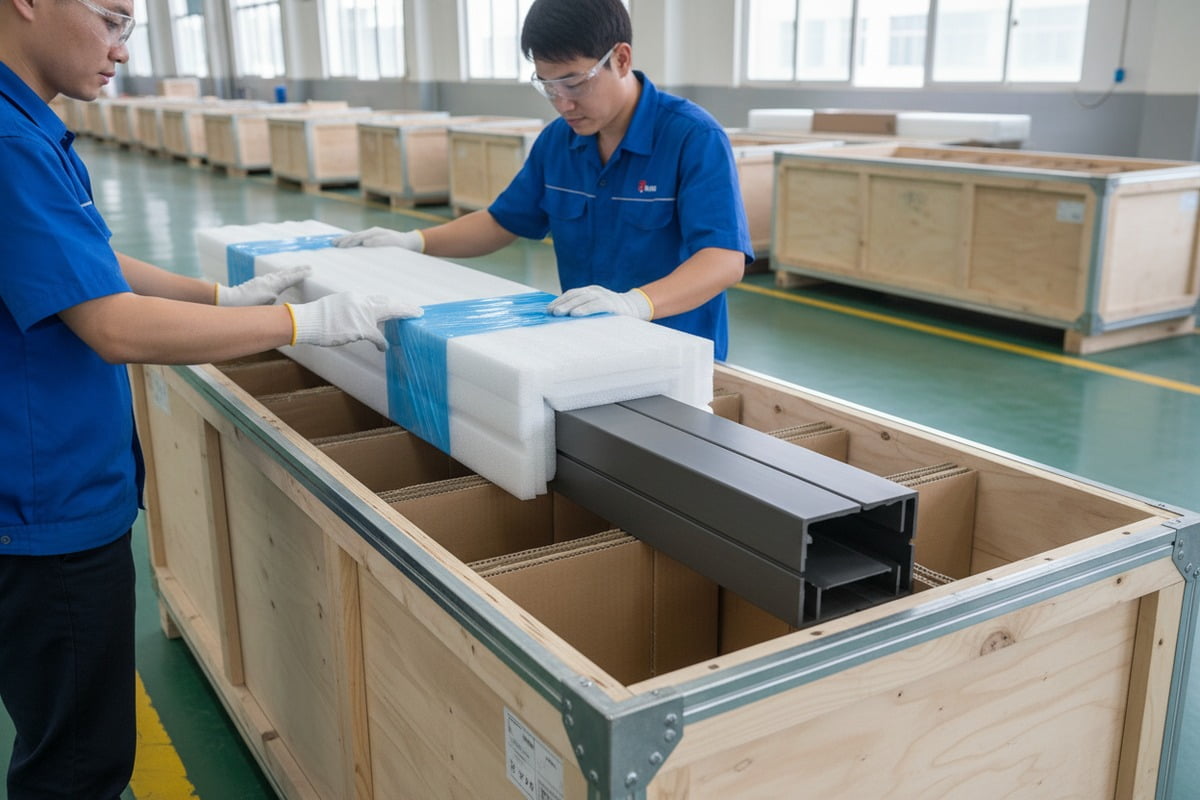
Our 5-Layer Packaging System
After years of trial and error, we standardized a packaging protocol that has reduced our damage claim rate to under 0.5%. Here's what goes into every crate that leaves our factory:
- PE protective film — Every profile is individually wrapped to prevent surface-to-surface contact and scratching.
- EPE foam sleeves — Extruded polyethylene foam tubes slide over each beam and post, absorbing vibration.
- High-density foam corner guards — The most vulnerable points on any pergola frame are the corners. We use 20mm dense foam blocks secured with tape.
- Custom plywood crates — For any component exceeding 3 meters, we build fumigation-treated plywood crates reinforced with internal dividers. This is non-negotiable for sea freight.
- Steel banding and stretch wrap — The entire crate is banded to a pallet and wrapped in industrial stretch film to resist moisture and shifting.
Packaging Specifications by Component
| Component | Typical Length | Packaging Method | Crate Type |
|---|---|---|---|
| Main beams | 3.0–4.5 m | PE film + foam sleeves + plywood crate | Custom oversized |
| Corner posts | 2.5–3.0 m | PE film + foam corners + bundled in pairs | Standard crate |
| Louver blades | 1.5–4.0 m | Stacked with cardboard dividers + shrink wrap | Flat crate |
| Motors & electronics | <0.5 m | Bubble wrap + sealed carton + desiccant packs | Standard carton |
| Hardware kits (screws, brackets) | N/A | Labeled zip bags + parts list + rigid carton | Attached to main crate |
Humidity and Salt Air Protection
Sea containers travel through tropical and temperate zones. Temperature swings cause condensation inside the container — what the industry calls "container rain." This moisture can corrode unprotected aluminum surfaces and ruin electronic motor components.
We address this with desiccant bags placed inside each crate and VCI (vapor corrosion inhibitor) paper wrapped around motor units. For buyers shipping to humid coastal destinations, we also recommend requesting a container inspection before loading to ensure the container itself is watertight with no roof leaks.
Loading Matters As Much As Packaging
Even perfect packaging fails if the container is loaded carelessly. Our warehouse team follows a strict loading plan: heavy crates go on the bottom, lighter cartons on top, and all gaps are filled with airbags or foam blocks to prevent shifting during rough seas. Every container loading is photographed and documented. We send these photos to the buyer before the container door is sealed.
Insurance Is Not Optional
No matter how well you pack, the ocean is unpredictable. We strongly advise every buyer to purchase marine cargo insurance 7 covering at least 110% of the goods' CIF value. The cost is typically 0.3–0.5% of the insured amount — a tiny price compared to a full container of damaged pergolas. Our team can help arrange this through our freight partners if needed.
The Missing Parts Problem
Damage isn't the only risk. Missing components — especially non-standard screws, custom brackets, or motorized louver controllers — can halt an entire installation project. We solve this by including a detailed packing list with photos in every crate, plus a spare parts bag with 5–10% extra fasteners. For European buyers, we also ship a backup hardware kit separately by express courier as a safety net.
Should I use rail freight instead of sea shipping to meet my tight European project deadlines?
We've seen it happen many times: a contractor in Germany signs a hotel terrace project with a fixed completion date, then realizes that 35 days of sea transit plus customs clearance eats up the entire buffer. Suddenly, the deadline feels impossible. This is exactly where China-Europe rail 8 freight has changed the game for our European buyers.
Yes, rail freight cuts 10–15 days off sea transit for European destinations, delivering in 15–25 days versus 25–35 days by sea. It costs roughly 30–50% more than sea but 70–80% less than air, making it ideal for mid-volume orders with firm project deadlines to inland European cities.
How China-Europe Rail Works
The China-Europe rail network, part of the Belt and Road Initiative, connects major Chinese logistics hubs (Chengdu, Chongqing, Xi'an, Yiwu) to European terminals in Duisburg, Hamburg, Warsaw, Milan, and Madrid. Trains run on fixed schedules, typically departing 2–3 times per week on major routes.
From our Hainan factory, goods are trucked to a rail terminal — usually Xi'an or Chengdu — then loaded onto standard containers for the transcontinental journey. The entire rail transit takes 15–20 days to Western Europe, with another 2–5 days for last-mile trucking to the buyer's warehouse.
Rail vs. Sea vs. Air for European Buyers
| Factor | Sea (FCL) | Rail | Air |
|---|---|---|---|
| Transit time to Western Europe | 25–35 days | 15–25 days | 3–7 days |
| Cost per kg | $0.50–$1.50 | $1.00–$3.00 | $5.00–$20.00 |
| Best for | Large bulk orders | Mid-volume, deadline-driven | Samples, emergency parts |
| Carbon footprint | Low | Low–Medium | Very High |
| Geopolitical risk | Port congestion | Route disruptions | Minimal |
| Oversized cargo capability | Excellent | Good (standard containers) | Very limited |
When Rail Beats Sea
Rail makes the most sense when:
- Your project has a hard deadline 6–8 weeks away and sea freight would arrive too late.
- You're ordering 5–15 pergola sets — enough to justify a good rate but not a massive bulk order.
- Your delivery point is inland (Munich, Prague, Lyon) where port-to-door trucking adds days and cost to sea freight.
- You want lower emissions than air freight — rail produces roughly 75% less CO2 per ton-kilometer than air.
We've shipped several mid-size orders via the Xi'an–Duisburg route for Italian and German buyers. One recent project involved 12 motorized louvered pergolas destined for a resort near Lake Garda. Sea freight would have arrived 10 days past the installation deadline. Rail delivered with a week to spare, and the total freight cost was only about 40% higher than sea.
Rail Limitations to Know
Rail freight isn't perfect. Routes pass through multiple countries, each with its own customs checkpoints. Geopolitical disruptions — such as the ongoing impacts near transit corridors — can cause delays. Also, rail containers follow standard dimensions (20ft/40ft), so extremely oversized custom pergolas may still need sea freight.
Rail also doesn't serve North America. If you're shipping to the USA or Canada, sea freight remains your primary bulk option, with air as the only faster alternative.
The Multimodal Option
Some of our buyers use a rail-sea combo: goods travel by rail from China to a European port (like Piraeus in Greece), then continue by short-haul sea or truck to the final destination. This hybrid approach can save 5–8 days versus full sea routes while keeping costs closer to ocean rates. It's worth discussing with your freight forwarder.
Over the years, our sales team has fielded hundreds of calls from frustrated buyers who thought their FOB quote was the final price — only to get hit with customs duties, port fees, and last-mile trucking charges that added 20–30% to their total cost. The truth is, international logistics for oversized aluminum structures comes with layers of cost that aren't always visible upfront.
Hidden logistics costs include customs duties (up to 25% for US aluminum imports), port handling and demurrage fees, inland trucking, cargo insurance, fumigation certificates, and last-mile delivery requiring crane or forklift equipment. Always negotiate DDP (Delivered Duty Paid) terms with your supplier to get a transparent, all-inclusive landed cost.

Understanding Incoterms: FOB vs. CIF vs. DDP
Incoterms 9 define where the seller's responsibility ends and the buyer's begins. Choosing the wrong term is the single biggest source of surprise costs.
- FOB (Free On Board): The supplier delivers goods to the departure port. After that, the buyer handles ocean freight, insurance, customs, and delivery. This gives you control but requires logistics expertise.
- CIF (Cost, Insurance, Freight): The supplier pays for freight and insurance to the destination port. But the buyer still handles customs clearance, duties, and inland delivery.
- DDP (Delivered Duty Paid): The supplier handles everything — freight, insurance, customs, duties, and delivery to your door. This is the most transparent option for buyers who want a single, all-in price.
Many of our European buyers — especially purchasing managers like those handling hotel or resort projects — prefer DDP because it eliminates surprises. We work with established freight partners to offer competitive DDP quotes that include every cost from our factory gate to your warehouse.
The Hidden Cost Checklist
Here's what often gets overlooked between a factory quote and the goods arriving at your site:
| Hidden Cost Item | Typical Range | Who Pays (FOB) | Who Pays (DDP) |
|---|---|---|---|
| Inland trucking (factory to port) | $200–$600 | Supplier | Supplier |
| Port handling / THC | $100–$300 | Buyer | Supplier |
| Ocean freight (20ft container) | $2,000–$5,000 | Buyer | Supplier |
| Marine cargo insurance | 0.3–0.5% of CIF value | Buyer | Supplier |
| Customs clearance (destination) | $150–$400 | Buyer | Supplier |
| Import duties 10 & tariffs | 0–25% of goods value | Buyer | Supplier |
| Demurrage (late pickup) | $100–$300/day | Buyer | Buyer (if delay is buyer's fault) |
| Last-mile delivery (port to site) | $300–$1,500 | Buyer | Supplier |
| Forklift/crane unloading | $100–$400 | Buyer | Often buyer |
| Fumigation certificate | $50–$150 | Supplier | Supplier |
Tariff Traps
US-bound buyers face a 25% tariff on Chinese aluminum products under Section 301. This is calculated on the CIF value, not just the product cost. For a $10,000 pergola order, that's an extra $2,500 in duties alone. European buyers generally face lower tariffs, but anti-dumping duties on certain aluminum categories can apply. Always verify current tariff codes (HS codes) with your customs broker before ordering.
Why DDP Saves More Than Money
Beyond cost transparency, DDP shifts compliance risk to the supplier. If customs paperwork is wrong, the supplier fixes it. If duties are miscalculated, the supplier absorbs the difference. This is especially valuable for first-time importers or buyers managing multiple projects simultaneously.
At our company, DDP quotes include all documentation: commercial invoice, packing list, certificate of origin, CE certificates for motors, and fumigation certificates for wooden crates. We handle the paperwork so you can focus on your project.
Last-Mile Realities
Aluminum pergolas are big and heavy. A single crate can weigh 200–400 kg and measure over 4 meters long. Standard courier trucks can't handle this. You'll need a truck with a tail lift or a forklift at the receiving location. Some buyers in residential areas have been surprised by delivery trucks that couldn't access narrow streets.
We always confirm delivery site accessibility with our buyers before shipping. For remote or restricted areas, we arrange specialized transport and provide advance notice of delivery vehicle dimensions.
Plan Around Chinese Holidays
One more hidden "cost" that's really a time cost: Chinese New Year (late January/February) and Golden Week (early October) shut down factories and logistics for 1–3 weeks. Orders placed in December often don't ship until mid-February. Our 30-day rapid delivery guarantee accounts for standard periods, but holiday windows require extra planning. We advise European buyers to place Q1 orders by late November.
Conclusion
Choosing between sea, rail, and air freight for aluminum pergolas comes down to your order size, deadline, destination, and budget. Use this guide to match your project needs with the right shipping mode, negotiate transparent DDP terms, and protect your investment with proper packaging.
Footnotes
1. Provides an overview of air cargo and its importance in global trade. ↩︎
2. Provides general information about pergolas, including aluminum as a material. ↩︎
3. Defines louvers, which are a key component of louvered pergolas. ↩︎
4. Explains Less-than-Container Load (LCL) shipping, its benefits, and ideal use cases. ↩︎
5. Official USTR page explaining Section 301 investigations and related trade actions. ↩︎
6. Explains Full Container Load (FCL) shipping, its benefits, and ideal use cases. ↩︎
7. Replaced HTTP 403 with an authoritative article on marine insurance, including cargo insurance, from the Insurance Information Institute. ↩︎
8. Discusses the China-Europe rail freight services and their impact on trade. ↩︎
9. Official source for Incoterms rules, defining responsibilities in international trade. ↩︎
10. Provides official information from U.S. Customs and Border Protection on import duties. ↩︎