
Every year, distributors lose margin because they react to demand instead of planning ahead for each selling window.
The best seasonal sales opportunities for aluminum pergola distributors span the entire year—from pre-spring planning campaigns and peak spring installation rushes to summer urgency windows, fall shoulder-season deals, and winter pipeline building—each requiring distinct inventory, messaging, and promotional strategies aligned to buyer intent and regional climate.
Seasonality is not a single spike. It is a rhythm. The distributors who build a twelve-month sales calendar consistently outperform those who only chase spring orders custom OEM designs 1. In this guide, we break down every major seasonal window, show you how to time bulk orders, select the right inventory mix, and manage shipping logistics so your margins stay healthy all year long. Let's walk through it step by step.
How can I strategically time my bulk orders to capitalize on the spring landscaping boom?
Our production lines run at full tilt from January through March every year, and the distributors who place orders earliest always get the best lead times and pricing.
To capitalize on the spring landscaping boom, distributors should place bulk orders 8 to 12 weeks before peak demand begins, typically by late January or early February, securing priority production slots, lower freight rates, and guaranteed delivery before the first warm weekends drive consumer purchases.
Spring is the single largest demand window for outdoor living products. Search interest for pergolas can rise 60% to 100% between February and April. Homeowners start browsing as soon as the days get longer, and contractors begin locking in materials for projects they quoted during winter. If your warehouse is empty when those orders come in, you lose deals to competitors who planned ahead.
Why Early Ordering Matters
When we look at our own shipping data, the pattern is clear. Distributors who confirm orders before Chinese New Year 2 get 30-day delivery. Those who wait until March often face 45 to 60 days because factory capacity is already allocated. Freight costs 3 also climb as global shipping demand picks up in Q1.
Here is a practical timeline for spring order planning:
| Action | Recommended Timing | Why It Matters |
|---|---|---|
| Review last year's sales data | November–December | Identifies best-selling SKUs and regional demand patterns |
| Submit bulk order to manufacturer | Late January–Early February | Secures priority production slots before peak factory load |
| Confirm shipping and logistics | February | Locks in freight rates before seasonal price increases |
| Receive inventory at warehouse | March–Early April | Ensures stock is ready before the first spring marketing push |
| Launch pre-season marketing campaign | Late February–March | Captures early-bird homeowners and contractors still planning |
Pre-Season Campaigns That Drive Early Sales
The best distributors do not wait for warm weather to start selling. They run "book now, install later" campaigns that let homeowners lock in pricing and installation dates before the rush. This approach works because it removes the biggest objection: "I'll wait until it gets warmer."
From our experience exporting to European markets, we have seen Italian and German distributors run early-bird promotions with 5% to 10% discounts for orders placed before March. These campaigns fill the pipeline, smooth out production scheduling, and reduce the chaos that comes with everyone ordering at the same time.
Aligning with Contractor Planning Cycles
Contractors and builders often finalize material lists weeks before homeowners make decisions. They need firm lead times and reliable delivery dates. If you can guarantee a 30-day turnaround—which is something our factory commits to for standard products—you become the preferred supplier. Contractors hate surprises. Give them certainty, and they will keep coming back.
The key insight is this: spring is won or lost in winter. The orders you place in January determine whether you capture the March-through-May surge or scramble to catch up.
Which weather-resistant features should I prioritize in my inventory to meet winter demand in Europe?
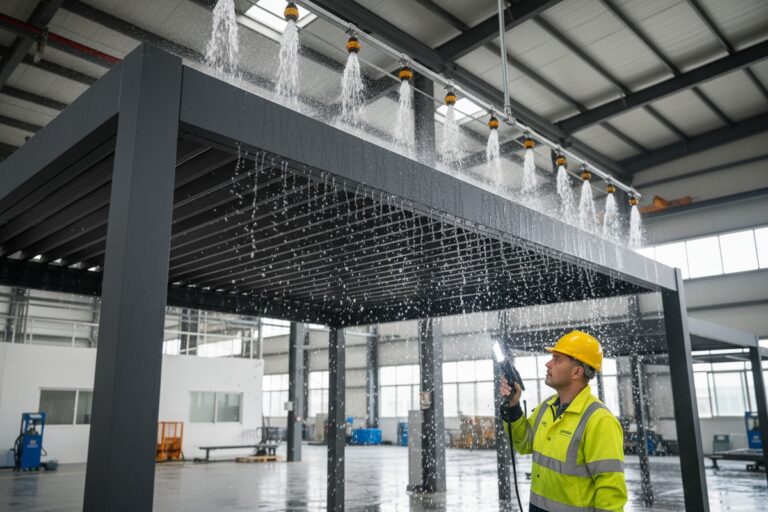
When our engineers test coatings and hardware in our climate simulation lab, they design for the harshest conditions European winters can deliver—salt air, driving rain, and heavy snow loads.
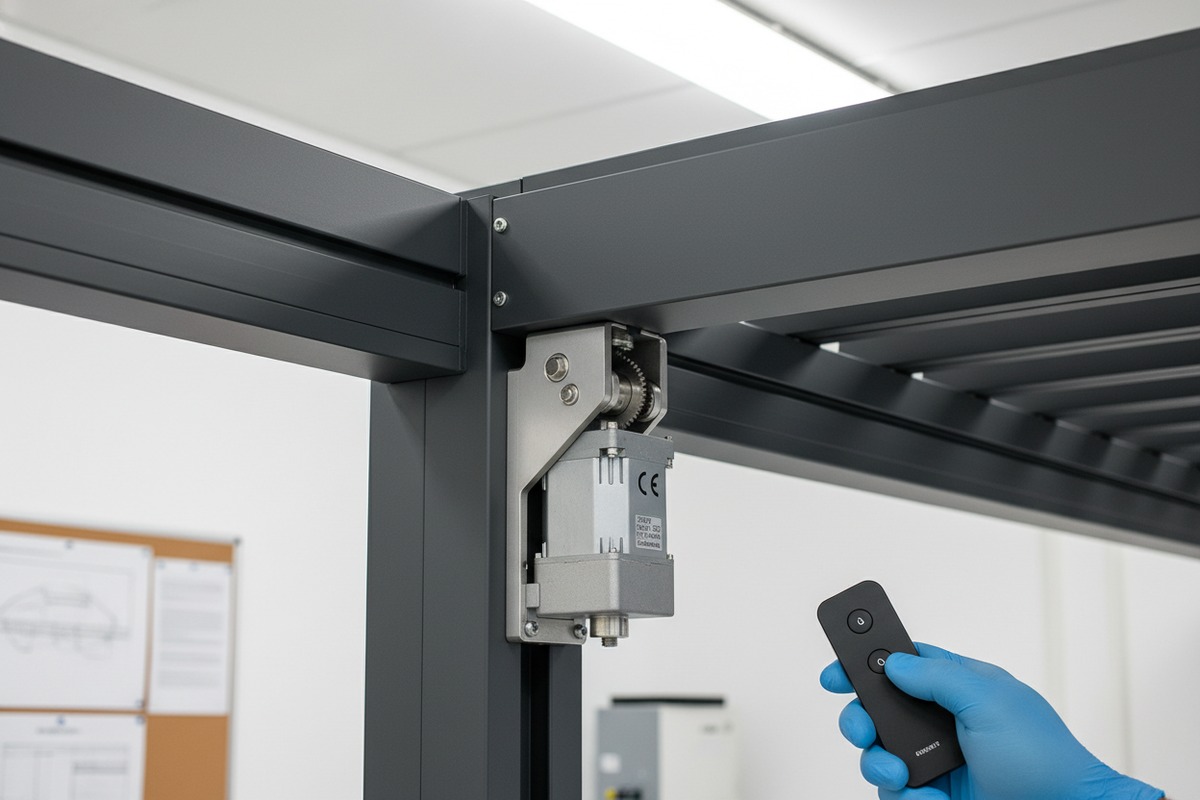
For European winter demand, distributors should prioritize aluminum pergolas with marine-grade powder coatings, CE-certified motorized louvered roofs for rain and snow management, integrated drainage systems, corrosion-resistant stainless steel fasteners, and optional add-ons like built-in heaters, LED lighting, and wind-rated zip blinds that extend outdoor usability year-round.
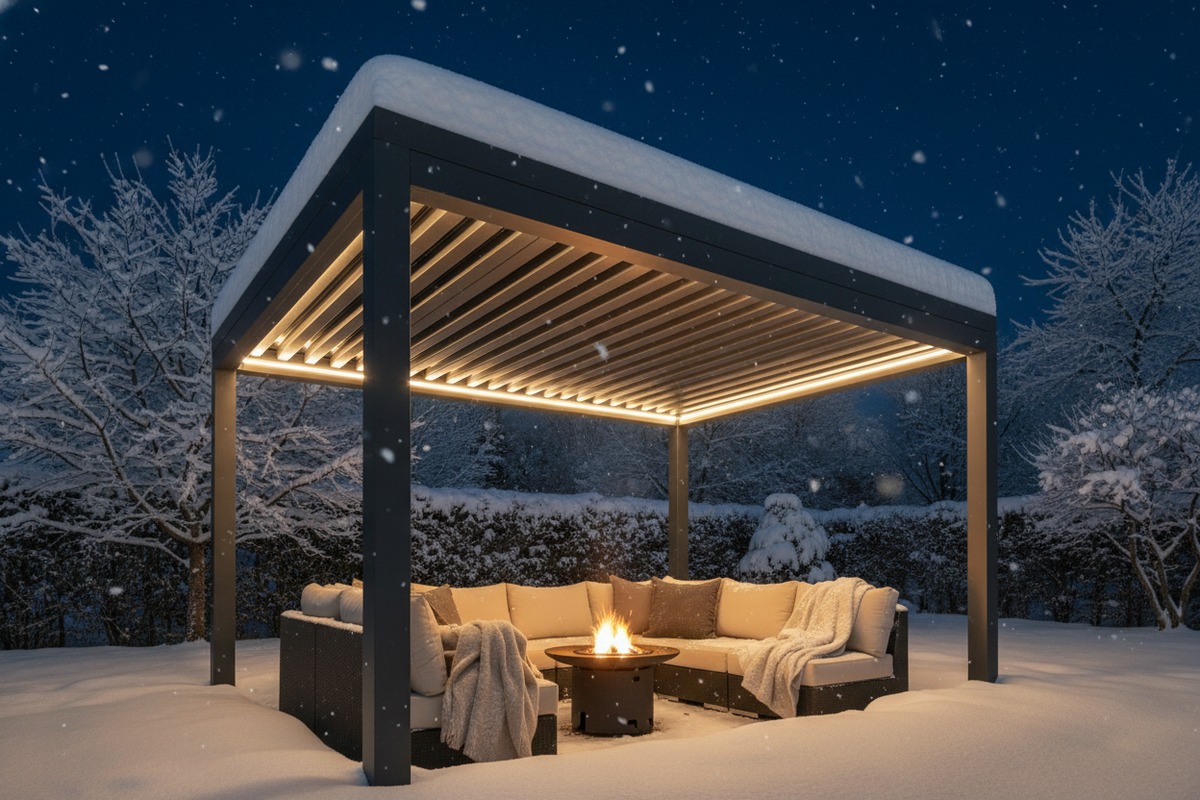
European buyers increasingly expect pergolas to function as year-round outdoor rooms, not just summer shade structures. In markets like Germany, the Netherlands, the UK, and Scandinavia, a pergola that cannot handle rain, wind, and occasional snow is simply not competitive. This shift toward all-season usability is one of the strongest trends driving aluminum pergola demand in Europe right now.
Core Weather-Resistant Features
Not all features carry equal weight. Here is how we rank the most important weather-resistant features based on what our European distributors request most often:
| Feature | Why It Matters for Winter | Demand Level in Europe |
|---|---|---|
| Motorized louvered roof (CE-certified) | Closes fully to shed rain and snow; opens for ventilation | Très élevé |
| Marine-grade powder coating (Qualicoat Class 2+) | Resists fading, chipping, and corrosion in coastal and humid climates | Très élevé |
| Integrated gutter and drainage system | Prevents water pooling and ice damage on the structure | Haut |
| Stainless steel fasteners and connectors | Eliminates rust and ensures structural integrity over time | Haut |
| Wind-rated zip blinds or screens | Blocks wind and rain from the sides; creates enclosed outdoor space | Growing Fast |
| Built-in LED lighting | Extends usability during short winter daylight hours | Moderate–High |
| Infrared heater compatibility | Allows comfortable outdoor use even in cold months | Moderate |
| Smart home integration | Automates louver position, lighting, and heating based on weather sensors | Emerging |
Regional Differences Within Europe
European demand is not uniform. Coastal markets like the Netherlands and western France prioritize corrosion resistance and wind ratings above almost everything else. Mediterranean markets like southern Italy and Spain care more about UV resistance and summer shade, but even these buyers are increasingly asking for rain-management features to extend the outdoor dining season.
In northern Europe, the "outdoor room" concept is strongest. Buyers want a fully enclosed space with heating, lighting, and automated louvers. This is where the highest margins live, because the add-ons—zip blinds, heaters, smart controls—can push the project value significantly higher than a basic pergola.
Compliance Is Non-Negotiable
One critical point: European buyers will not accept motors or electronics without CE certification 4. Our production team builds this into every unit destined for Europe because the risk of non-compliance is enormous. A single product recall or safety incident can destroy a distributor's reputation and expose them to legal liability. We also ensure our powder coatings meet Qualicoat standards 5, which European architects and specifiers often require.
Stocking Strategy for Winter Demand
Winter demand in Europe is smaller in volume than spring, but it is higher in value per unit. The buyers shopping in November and December are typically planning premium installations—restaurants preparing for the holiday season, hotels upgrading outdoor terraces, and homeowners completing high-end renovations. Stock your inventory accordingly: fewer basic models, more fully loaded configurations with integrated options.
How do I balance my stock of standard products versus custom OEM designs during peak sales periods?
With an annual production capacity of 80,000 sets across our facilities, we have learned that the right mix of ready-to-ship standard models and made-to-order custom designs is what separates profitable distributors from stressed ones.
Distributors should maintain 60% to 70% of peak-season inventory in fast-moving standard sizes and colors for quick turnaround, while reserving 30% to 40% of their ordering capacity for custom OEM designs that serve high-value projects, using pre-approved templates and modular configurations to reduce lead times on non-standard orders.

This is one of the trickiest decisions distributors face. Stock too many standard units and you miss the custom projects that deliver the best margins. Commit too heavily to custom OEM and you cannot fulfill the bread-and-butter orders that keep cash flowing during peak season. The answer is not one or the other. It is a deliberate blend.
Why Standard Products Are Your Cash Flow Engine
Standard products—popular sizes like 3m × 4m and 4m × 6m in common RAL colors 6 like 7016 (anthracite grey) and 9005 (jet black)—sell fast because they match most residential patios without modification. They ship quickly, require no design consultation, and let you close deals in days instead of weeks.
During peak spring and early summer, speed wins. Homeowners who are ready to buy do not want to wait six weeks for a custom order. If you have stock on hand, you capture that sale. If you don't, they go to a competitor who does.
Why Custom OEM Drives Margins
Custom projects—non-standard dimensions, specific RAL colors, integrated zip blinds, special mounting configurations—typically command 20% to 40% higher margins than standard products. Commercial buyers, architects, and high-end residential clients expect customization, and they are willing to pay for it and wait for it.
The challenge is lead time. Custom OEM orders at our factory typically require 30 to 45 days depending on complexity. During peak season, that window can stretch if the factory is already at capacity. This is why planning matters.
A Practical Inventory Framework
Here is a framework that works well for mid-sized European distributors:
| Inventory Category | Share of Peak Stock | Typical Lead Time | Margin Profile | Best For |
|---|---|---|---|---|
| Standard sizes and colors (stock items) | 60–70% | Immediate (from warehouse) | Standard (15–25% gross) | Homeowners, quick-turn contractors |
| Semi-custom (standard frame + custom add-ons) | 15–20% | 2–3 weeks | Above average (25–35% gross) | Residential upgrades, small commercial |
| Full custom OEM (non-standard everything) | 10–20% | 4–6 weeks | Highest (30–40%+ gross) | Architects, hotels, large commercial |
Using Modular Design to Bridge the Gap
One strategy that our R&D team has championed is modular design 7. Instead of treating every custom order as a from-scratch project, we offer a library of pre-engineered modules—base frames, louver systems, side screens, lighting kits, drainage options—that can be combined in hundreds of configurations. This means a "custom" order often uses 80% standard components with only 20% truly bespoke elements. The result: shorter lead times, fewer errors, and lower costs for both the factory and the distributor.
Seasonal Adjustment
During peak season, shift your mix toward standard products. During the shoulder seasons (fall and winter), lean into custom OEM because lead times are shorter, factory capacity is more available, and the buyers shopping in those periods tend to be higher-value commercial clients who expect customization.
The distributors who master this balance report smoother cash flow, fewer stockouts, and higher average order values across the year.
What impact will seasonal shipping fluctuations have on my project timelines and delivery costs?
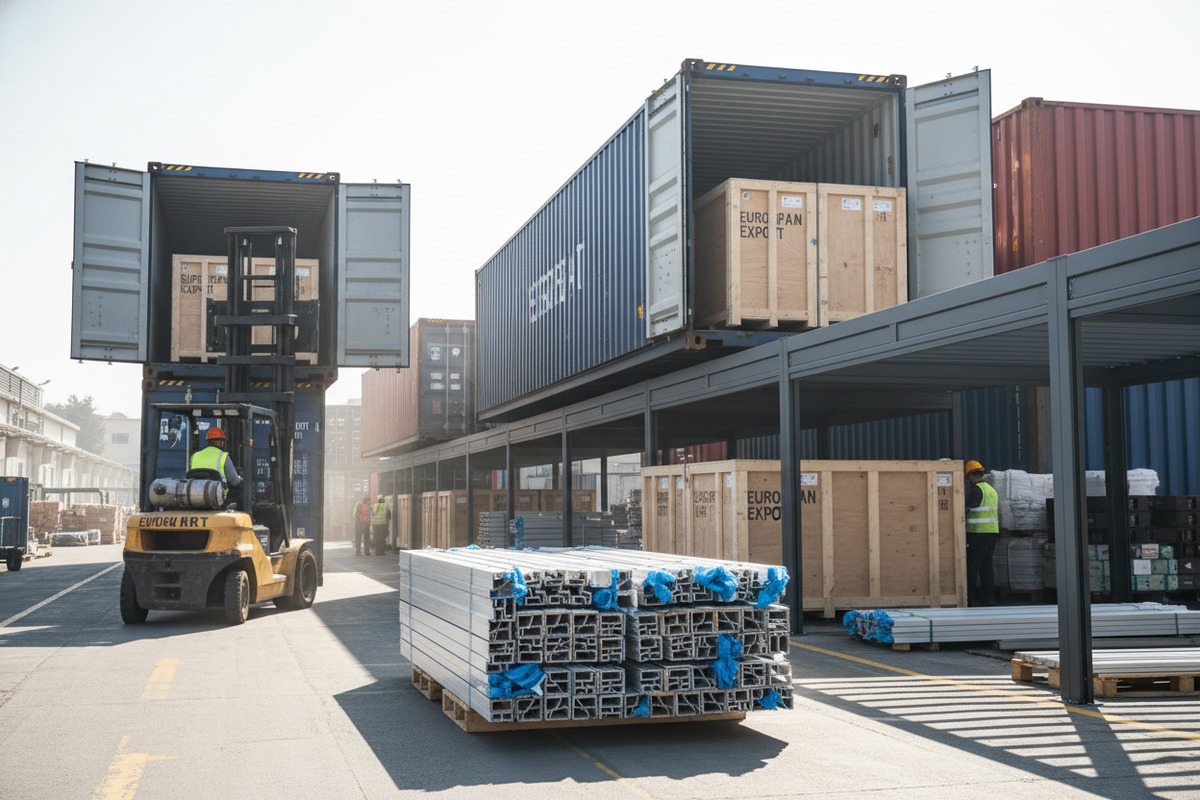
Our logistics team coordinates over 2,000 container shipments per year from our Hainan headquarters, and we have seen firsthand how seasonal freight volatility can make or break a distributor's project schedule.
Seasonal shipping fluctuations can add 2 to 4 weeks to delivery timelines and increase freight costs by 15% to 30% during peak periods like pre-Chinese New Year, spring rush, and late summer, making it essential for distributors to book freight early, consolidate shipments, and build buffer time into project schedules.
Shipping is the variable that catches most distributors off guard. You can plan your inventory perfectly and still miss your delivery window if you do not account for what is happening on the water. Ocean freight rates 8, container availability, and port congestion all follow seasonal patterns that directly affect when your pergolas arrive and how much you pay to get them there.
Key Shipping Bottlenecks by Season
Understanding the annual shipping calendar helps you avoid the worst surprises. Here are the critical periods:
January–February: Chinese New Year Shutdown. Factories across China close for 2 to 3 weeks. If your order is not confirmed and in production before the holiday, expect a 3 to 4 week delay. Freight rates also spike as exporters rush to ship before the shutdown.
March–May: Spring Demand Surge. Container bookings increase globally as retailers and distributors restock. Rates climb, and space on popular routes (China to Northern Europe, China to Mediterranean) gets tight. Book freight at least 2 to 3 weeks earlier than you would in the off-season.
June–August: Peak Season Freight. This is the most expensive shipping window. Carriers impose peak-season surcharges. Transit times can stretch due to port congestion, especially at major European hubs like Rotterdam, Hamburg, and Genoa.
September–November: Normalization. Rates typically ease after the summer peak. This is a good window for restocking ahead of winter projects and the following spring.
December: Holiday Disruptions. Reduced carrier schedules and year-end port closures can cause minor delays.
How to Protect Your Timelines
There are several practical steps we recommend to our distributor partners:
- Build buffer time. Add 2 weeks to any quoted transit time during peak periods. It is better to have stock arrive early than to miss an installation deadline.
- Book freight early. Confirm your shipping date when you confirm your production order, not after.
- Consolidate shipments. Full container loads (FCL) 9 cost less per unit than less-than-container loads (LCL) and are less likely to be delayed at transshipment ports.
- Consider DDP terms. Our factory offers Delivered Duty Paid logistics 10 for European distributors. This means we handle customs clearance, duties, and last-mile delivery. It removes the guesswork and reduces the risk of unexpected costs at destination.
- Use split shipments strategically. For large orders, consider splitting into two shipments: the first batch of fast-moving standard products by sea, and a smaller batch of urgent items by rail or even air if the margin justifies it.
Real Cost Impact
Freight cost swings are not trivial. A 20-foot container from China to Northern Europe might cost $1,500 to $2,000 in the off-season but $2,500 to $3,500 during peak months. For a distributor shipping 10 to 20 containers per year, that difference adds up fast. Factor it into your pricing or absorb it from your margin—either way, you need to plan for it.
The distributors who treat logistics as a strategic function—not just an afterthought—consistently deliver on time and protect their margins, even during the most volatile shipping seasons.
Conclusion
Winning as an aluminum pergola distributor means treating seasonality as a full-year strategy, not a single spring sprint. Plan early, stock smart, and sell in every season.
Notes de bas de page
1. Wikipedia's entry on Original Equipment Manufacturer (OEM) explains the concept, which inherently includes the design and manufacturing of custom products for other companies. While not explicitly 'custom OEM designs', it covers the core concept. ︎
2. This article from All Forward discusses seasonality, including Chinese New Year, as a factor influencing ocean freight rates. ︎
3. Wikipedia provides a comprehensive and authoritative explanation of freight rates and the factors that determine them. ︎
4. Defines the mandatory conformity mark for products sold within the European Economic Area. ︎
5. Explains the international quality label for coated aluminum used in architectural applications. ︎
6. Wikipedia provides an authoritative overview of the RAL color standard system. ︎
7. Explains the engineering principle of subdividing systems into independent, interchangeable modules. ︎
8. Describes the pricing structure and key factors influencing the cost of transporting goods by sea. ︎
9. Explains a shipping method where a single consignee utilizes an entire container for their cargo. ︎
10. Defines an Incoterm where the seller bears all costs and risks until goods reach the buyer's specified destination. ︎